The Life of Billy
Daan Kluwer
Release: 27/02/2026
Full Length
Listen to The Life of Billy
Buy The Life of Billy
With his debut album The Life of Billy, saxophonist Daan Kluwer steps directly into the reshaping of the the future of the saxophone. His goal isn’t to reclaim the sax, but to reimagine it. Charging it with surrealism, narrative, and a universe of his own making, unconcerned with genre borders. The album follows Billy, a character cut loose from time, experiencing life as an unpredictable flicker of fast-forwards and rewinds. The spark came from Kurt Vonnegut’s Slaughterhouse-Five, but the world built around it is entirely Kluwer’s: a series of musical chapters hinting at a bigger, stranger story beneath the surface.
Kluwer found a clear creative anchor while writing this record. He realized his music becomes most vivid when it grows from a narrative seed. Not to create 'high-concept jazz,' but to set a boundary that frees rather than restricts. From that mindset, he composed pieces where rhythm, texture, and atmosphere carry as much weight as harmony: drums that press forward, grooves that twist, electronics that carve out space, and a saxophone that moves fluidly between warmth, mystery, and lyrical clarity.
This sound is inseparable from the band that brings it to life: Tim Hennekes (drums), Ella Zirina (guitar), William Barrett (bass), and Jelle Willems (keys). Their individual styles are so deeply embedded in the compositions that the album feels like a language only this group can speak. They don’t resemble a typical jazz ensemble with added keys, they operate more like a compact, shape-shifting engine in which every part retains a distinct voice.
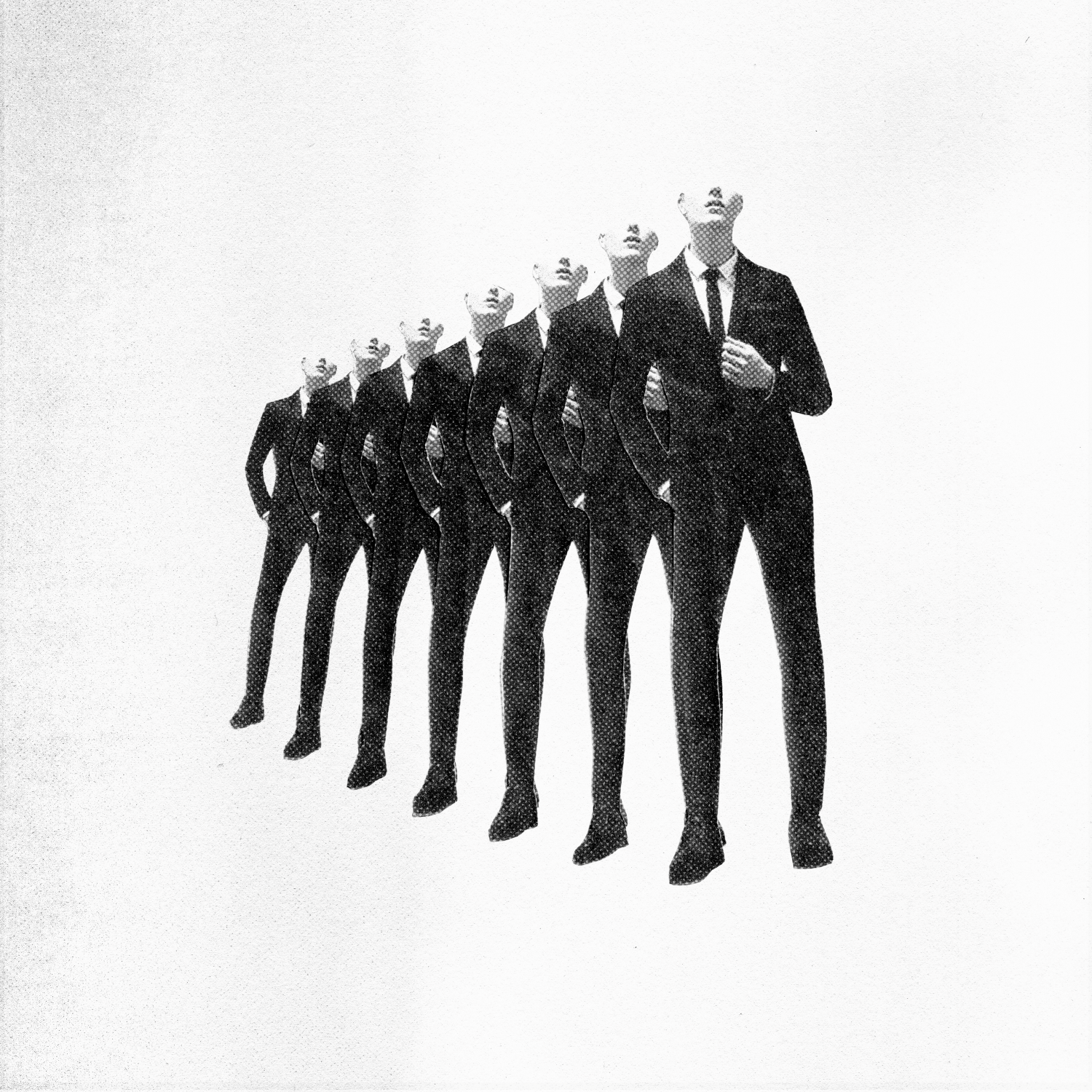
The world of Billy extends visually as well. The album cover is an analog collage showing Billy in the past, present, and future all at once. A nod to Vonnegut’s idea that time isn’t linear but spatial. It’s playful, slightly surreal, and carries the same sideways-reality feeling that runs through the music.
The Life of Billy is not a conventional jazz debut. It’s the unveiling of a personal cosmos, one where the saxophone transforms again, where storytelling and groove coexist, and where the instrument opens itself to new identities and new worlds. Maybe that’s exactly why the saxophone is resonating so strongly right now.